An In-depth Summary of Storage Tank Welding copyrightination Specifications and Methodologies for Improved Weld Top Quality and Performance
The relevance of welding inspection standards in the production of containers can not be overstated, as they work as the foundation for ensuring weld stability and operational dependability. Different inspection techniques, including visual assessments and progressed non-destructive screening approaches, are vital in recognizing potential flaws that might jeopardize performance. Moreover, adhering to governing standards not just improves weld quality however also mitigates the risk of expensive failings. As we check out the nuances of these methods, it comes to be crucial to consider how a systematic approach can change current practices and cause considerable improvements in results.
Importance of Welding Assessment Criteria
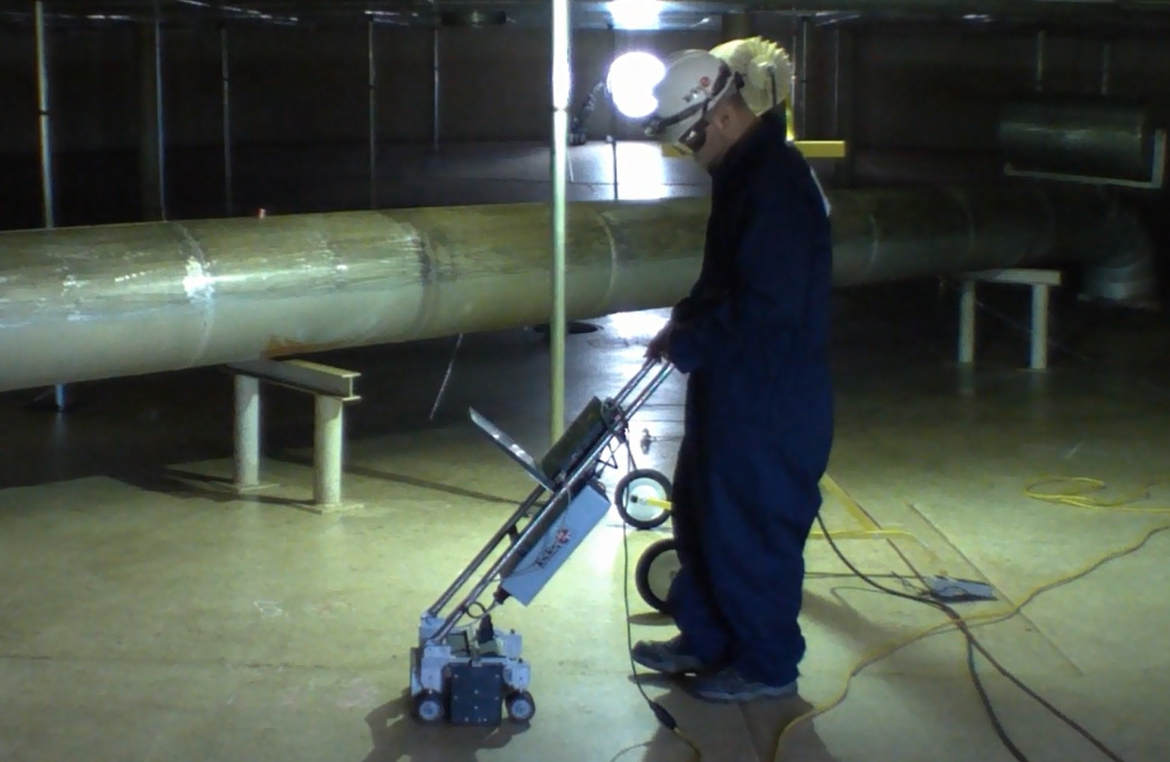
Welding inspection requirements encompass a range of standards, consisting of material specifications, welding treatments, and certifications of workers included in the welding process. By applying these requirements, organizations can methodically determine and remedy potential flaws, thus decreasing the probability of costly fixings or disastrous failings. Rigorous assessment techniques cultivate a society of accountability and precision, motivating welders to maintain high degrees of craftsmanship.
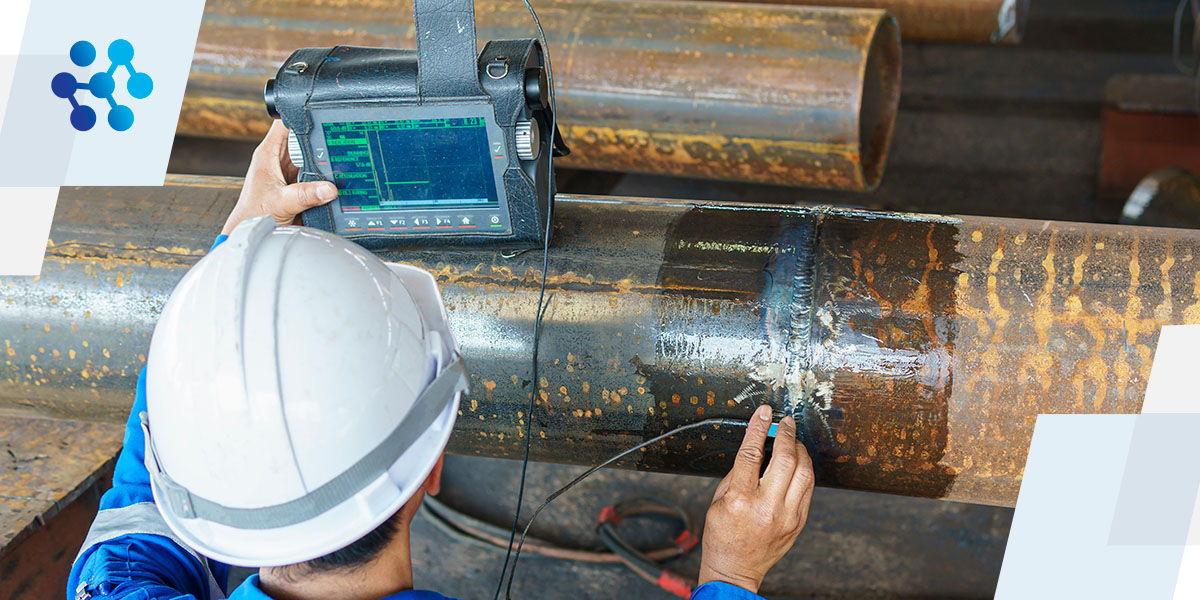
Typical Welding copyrightination Methods


Ultrasonic copyrightining (UT) is an additional widespread method, using high-frequency acoustic waves to find internal imperfections that may not show up on the surface. This technique is specifically reliable for determining voids or inclusions within the weld steel. Magnetic Particle Evaluating (MT) is additionally widely utilized, especially for ferromagnetic materials, as it discloses surface and near-surface problems with the application of electromagnetic fields and ferrous particles.
In Addition, Liquid Penetrant Screening (PT) identifies surface-breaking problems by applying a penetrant to the weld and afterwards making use of a programmer to extract the penetrant. Each of these strategies adds to a detailed evaluation strategy, making certain that welds satisfy the strict top quality criteria needed in tank building.
Regulative Requirements and Conformity
Regulatory criteria and compliance are crucial elements in guaranteeing the security and dependability of bonded structures in tank construction - Tank Welding Inspection. These standards serve to establish minimum requirements for material properties, welding procedures, and assessment practices, thus lowering the risk of structural failings and boosting overall performance
Key companies, such as the American Society of Mechanical Designers (ASME) and the American Welding Society (AWS), offer guidelines that are extensively embraced in the market. Conformity with these criteria not only guarantees adherence to best practices yet additionally meets legal and legal commitments, safeguarding the rate of interests of stakeholders.
Governing bodies often mandate adherence to certain codes, such as ASME Code Area IX for welding qualifications and API 650 for bonded containers. These codes detail requirements for welding methods, certifications of employees, and screening methods to confirm weld stability.
Normal audits and copyrightinations are crucial to keeping conformity, as they help determine deviations from developed standards. Non-compliance can cause considerable fines, project delays, and security risks. Therefore, a robust understanding of regulative requirements and a commitment to compliance are vital in attaining top quality and long lasting welded tank frameworks.
Non-Destructive Evaluating Methods
Just how can the integrity of bonded structures be ensured without causing damage? Non-destructive screening (NDT) methods use a robust service, allowing inspectors to evaluate weld top quality without endangering the product - Tank Welding Inspection. Amongst one of the most typical NDT techniques are ultrasonic testing (UT), radiographic screening (RT), magnetic bit screening (MT), and color penetrant screening (PT)
Radiographic testing Get the facts includes passing X-rays or gamma rays through the weld, developing photos that expose architectural flaws such as cracks or gaps. This method is very useful for assessing the integrity of complex welds.
Magnetic particle testing is fit for ferromagnetic materials, where magnetic areas reveal surface area and near-surface interruptions. Dye penetrant testing makes use of a liquid dye to highlight surface-breaking imperfections, making it an efficient technique for non-porous materials.
Each of these NDT methods has distinct advantages, enabling for comprehensive analyses tailored to particular materials and welding processes. By implementing these techniques, industries can make sure the reliability and security of welded structures, ultimately boosting total performance.
Enhancing Weld High Quality Via Inspection
Reliable inspection plays an important duty in enhancing weld quality, working as a crucial checkpoint in the fabrication process. By determining prospective flaws early, copyrightinations alleviate the threat of compromised structural integrity and guarantee conformity with industry criteria. Utilizing a mix of aesthetic copyrights, non-destructive screening (NDT) approaches, and mechanical assessments, inspectors can spot issues such click to read more as porosity, cracks, and incomplete blend.
Carrying out a durable assessment method not just enhances the total top quality of welds however additionally cultivates a society of liability amongst welders and producers. Normal training and qualification of inspection employees make certain that they are outfitted with the needed abilities to acknowledge and deal with potential problems properly. This proactive technique decreases rework and associated expenses, inevitably adding to predict efficiency.
Moreover, detailed documentation of copyrightination searchings for supplies important understandings website here right into reoccuring problems, helping with continuous renovation in welding techniques. By leveraging sophisticated technologies, such as automated ultrasonic screening or digital radiography, weld quality can be improved through extra exact assessments. Finally, a rigorous assessment process is essential in accomplishing top notch welds, making sure safety and security, integrity, and long life in tank fabrication.
Verdict
In verdict, the implementation of extensive tank welding assessment criteria and techniques is important for guaranteeing weld integrity and efficiency. By utilizing a mix of visual inspections, non-destructive screening approaches, and adherence to regulatory criteria, organizations can effectively identify and mitigate potential problems.